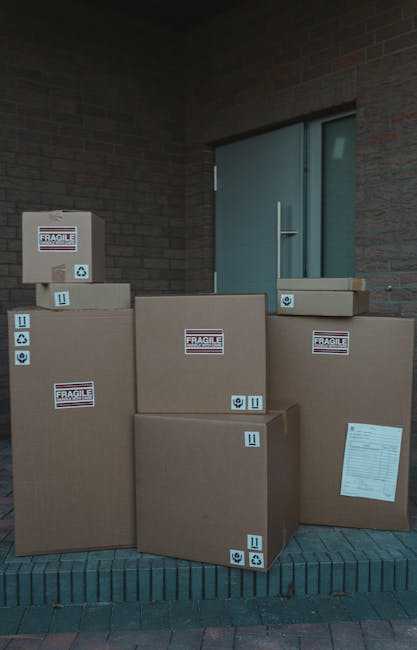
Wimbledon Village furniture removals expert local teams: what to expect and how to choose well
If you are planning a move in Wimbledon Village, you already know the area can be charming and a little awkward at the same time. Narrow streets, careful parking, valuable furniture, tight stairwells, and the simple pressure of getting everything from A to B without a scratch - it all adds up. That is exactly where Wimbledon Village furniture removals expert local teams make a real difference. They are not just "a van and a pair of hands"; they understand the local rhythm, the practical problems, and the kind of care that keeps a move calm rather than chaotic.
In this guide, we'll break down how local furniture removal teams work, why specialist knowledge matters, what good service looks like, and how to prepare so moving day feels manageable. You'll also find a clear checklist, a comparison table, and some straight-talking advice from a local-moving point of view. No fluff. Just useful, real-world guidance.
Why Wimbledon Village furniture removals expert local teams matters
Furniture removals sound straightforward until you are the one carrying a wardrobe down a turning staircase, trying not to clip a banister, while the clock is ticking. In Wimbledon Village, the local detail matters more than many people expect. Parking can be limited, access can be fiddly, and older properties often bring odd corners, delicate finishes, and doorways that seem designed by someone with a sense of humour.
Expert local teams matter because they bring judgement, not just muscle. They know when a sofa should be wrapped differently, when a table leg should be removed, and when two people are enough versus when a larger crew is wiser. That kind of judgement usually saves time and reduces risk. To be fair, it also saves stress, which is often the thing people underestimate most.
There is also a trust factor. Furniture often carries practical and emotional value. A dining table may be expensive, but a chest of drawers might also be the family piece you have had for years. Good removals teams treat both with care. They work methodically, communicate clearly, and keep their footing even when the day gets a bit messy - which, let's face it, is nearly every moving day.
If you are comparing options, it helps to start with a broad view of professional removal services and then narrow down to the specific support you need for furniture, access and timing. That is usually the cleanest way to avoid paying for things you do not need, while still getting the support that genuinely matters.
Expert summary: The best Wimbledon Village furniture removals teams combine local knowledge, careful handling, and sensible planning. That mix matters more than speed alone. A well-run move feels calm because the work has been prepared properly before the first item is lifted.
How Wimbledon Village furniture removals expert local teams works
A furniture removal service should follow a fairly clear process, although the details vary by property type, item size, and access. A proper team normally starts by understanding what needs moving, where it is going, and what obstacles may get in the way. In practice, that might mean a quick conversation about stairs, lift access, parking distance, heavy items, dismantling requirements, and any fragile surfaces.
Many jobs begin with planning rather than lifting. The team may ask about the size and shape of items, whether anything is particularly awkward, and whether packing help is needed. For bulky items, they may recommend protective wrapping, blankets, straps, or dismantling. That sounds basic, but these small decisions often make the difference between a smooth move and a stressful one.
On the day, the crew usually arrives with the right vehicle, equipment, and enough hands for the load. They will normally load heavier pieces first or use a sequence that keeps the van balanced and the furniture protected. Good teams think about order, not just effort. There is a reason experienced movers look slightly calm while everybody else looks mildly panicked.
If your move involves one-offs, single items or collection from a shop or storage space, a service like furniture pick-up can be a better fit than a full household removal. If you are moving a whole home, then a broader solution such as home moves or house removals may suit you better.
Where people get caught out is assuming all furniture is "just furniture." It isn't. A glass coffee table needs different handling from a solid oak dresser. Soft furnishings need clean wrapping. Antique pieces need extra caution. Flat-pack items might need screw bags labelled clearly. Small thing, big difference.
Key benefits and practical advantages
The obvious benefit is convenience. You do not need to recruit favours from friends, rent the wrong vehicle, or spend your weekend wrestling a mattress down a hallway. But the real value goes deeper than convenience.
- Reduced damage risk: Proper wrapping, handling and loading methods help protect furniture and property.
- Better use of time: A well-organised team can complete the job far more efficiently than an improvised DIY effort.
- Local access awareness: Wimbledon Village layouts, traffic patterns and parking constraints are easier to manage when the team knows the area.
- Less physical strain: Heavy lifting is where many self-moves go wrong. Back strain is no joke.
- Clear accountability: With an established removal provider, you know who is responsible for the service, the timings and the communication.
- More suitable vehicle choice: Using the right removal van or a larger moving truck helps keep items secure and reduces multiple trips.
There is also a quiet but important emotional benefit: peace of mind. When you see the crew carefully padding corners, checking routes, and securing furniture properly, you relax. You can breathe. The day stops feeling like a crisis and starts feeling like a task with a plan.
If you are moving from a flat, especially one with tight access, lift restrictions or shared stairwells, a service such as flat removals is often a more practical fit than a generic van hire arrangement. And if a few items need storage between moves, it helps to know that storage can bridge the gap without forcing rushed decisions.
Who this is for and when it makes sense
This type of service suits more people than you might think. It is not only for big family homes or large collections of furniture. In fact, local furniture removals are often the best option for smaller, more precise jobs.
You may benefit if you are:
- moving a few valuable furniture pieces within Wimbledon Village or nearby
- relocating from a house, flat, studio or apartment with awkward access
- buying or selling furniture privately and need safe collection or delivery
- combining a move with temporary storage
- handling a short-notice relocation and need something fast but organised
- moving for work and need minimal disruption
- dealing with an older piece, an heirloom, or a heavy item that needs careful handling
Students and renters often assume a full removals package is too much, but a lighter solution can be surprisingly cost-effective. A student removals service can work well for small loads, especially when the move involves mixed furniture, boxes, and a slightly chaotic timetable.
Businesses can also need help, especially when office furniture or reception items must move without disrupting the day. For that situation, commercial moves or office removals can be more suitable than a home-based service.
Truth be told, if you are staring at a bookcase that will not fit through the doorway without being angled, you probably need help. Not maybe. Probably.
Step-by-step guidance
Here is the simplest way to approach a furniture removal job in Wimbledon Village without overcomplicating it.
- List every item clearly. Include dimensions if you can, especially for sofas, beds, wardrobes, cabinets and tables.
- Check access at both ends. Note stairs, lifts, parking restrictions, narrow paths and any height limits.
- Separate fragile or valuable pieces. Flag mirrors, antiques, marble, glass, electronics and upholstered items that need extra care.
- Decide what should be dismantled. Some items move more safely in parts. A good team will advise on this.
- Prepare the room. Clear walkways and remove loose items from drawers, shelves and cabinets.
- Confirm timing and vehicle size. A two-hour window can be fine for a single item move, but not if there are multiple bulky pieces.
- Label anything that needs special treatment. "Fragile," "this way up," or "do not stack" can save a surprising amount of trouble.
- Do a final walk-through. Check sockets, corners, halls, loft spaces, under beds, behind doors. Stuff hides in the weirdest places.
A useful habit is to photograph large items before the move, especially if they already have scratches or marks. That is not about being difficult. It is about having a clear record of condition, which is sensible for everyone involved.
If you need help with the broader packing side, services like packing and boxes or packing and unpacking services can keep the process far more organised. A move goes better when the furniture and the packing are treated as one plan, not two separate jobs.
Expert tips for better results
Small improvements make a big difference here. The best removals teams know that moving day is won in the prep, not in the panic.
- Empty heavy furniture before moving it. A wardrobe full of clothes behaves differently from an empty one. Worse, it can tip unexpectedly.
- Use proper padding for corners and finishes. Veneer, polished wood, and painted edges are easy to mark.
- Take doors off awkward pieces where possible. That small bit of extra work can prevent one very annoying scrape.
- Plan the loading order. Heavier items should sit securely, with lighter or more delicate pieces protected around them.
- Keep fixings in labelled bags. Screws, bolts and shelf pins go missing fast. Then everybody is rummaging around later. Not ideal.
- Tell the team about any special access issues early. Low branches, tight corners, shared driveways and basement entries matter more than people realise.
If your move has a last-minute change, say it quickly. Clear communication helps the crew adjust routing and timing before anyone is standing at the kerb waiting for the wrong-sized vehicle. It happens more often than people admit, honestly.
One more thing: if you are comparing a bare-bones hire option with a more supported service, remember that cheap is not always cheaper. Replacing damaged furniture or re-booking a failed move can wipe out any saving very quickly.
Common mistakes to avoid
Most moving problems come from a handful of predictable mistakes. The good news is that nearly all of them are avoidable.
- Underestimating access issues: A job that looks simple on paper can become awkward if the stairs are narrow or parking is far away.
- Not measuring large furniture: Measure height, width and depth. Guessing is risky.
- Leaving drawers full: It adds weight and creates movement inside the furniture.
- Forgetting to protect floors and walls: Hallways and doorframes are often where minor damage happens.
- Choosing the wrong vehicle size: Too small means multiple trips; too large can be wasteful. Balance matters.
- Not checking insurance and terms: You need to know what is covered and what responsibilities sit with you.
- Booking too late for a tight deadline: If you need speed, look at same-day removals rather than hoping a standard slot will somehow work itself out.
Another common mistake is trying to save a bit of money by doing the awkward lift yourself. Sometimes that is fine. Sometimes it ends with a strained shoulder, a cracked lamp, and a very long evening. You know the sort of thing.
Tools, resources and recommendations
You do not need a warehouse full of kit to move furniture well, but the right tools help enormously. Good local teams usually bring a practical set of equipment, and you can support them with a few basics of your own.
- furniture blankets and padded covers
- straps and securing equipment
- trolleys or dollies for heavier loads
- strong tape and labelled bags for fittings
- marker pens for room and item labels
- gloves with a secure grip
- protective floor coverings where needed
If you are still choosing between movers and a self-managed option, start by looking at the scope of support you need. Removals may suit a whole-property move. A more flexible man and van style service can work for smaller loads. And for quick one-off jobs, a man with van arrangement may be enough. The right choice depends on furniture volume, access, urgency and how much help you want on the day.
For some people, the most useful resource is not equipment at all, but planning support. A clear conversation about timing, parking, lifting points and packaging makes everything easier. That is especially true if you are moving in stages or combining items from different rooms.
Law, compliance and best practice
Furniture removals are a practical service, but they still sit within normal UK expectations around safety, consumer clarity and fair handling of property. You do not need to become a compliance expert to book a move, but it helps to know what good practice looks like.
A reputable removals provider should be clear about insurance, item handling, service scope and payment expectations. If a company says it offers insured handling, read the terms carefully so you understand what is included and what the process is if something goes wrong. The small print is rarely exciting, but it matters when a table leg has had a bad day.
Health and safety is also central. Heavy lifting should be done carefully, with appropriate team coordination and safe moving methods. If you want to understand a provider's approach, a clear health and safety policy and an explanation of insurance and safety are both useful signs. They show the business is thinking beyond the van itself.
You may also want to review practical pages such as payment and security, terms and conditions, and the company's privacy policy before booking. Those pages help set expectations and reduce surprises. Good service should feel transparent, not mysterious.
And because sustainability matters more to many people now, it is sensible to ask what happens to packaging, unwanted furniture or transport waste. A provider that explains its recycling and sustainability approach is usually showing the right kind of care. Not every move creates waste, but when it does, the outcome should be sensible.
Options, methods, or comparison table
There is no single best moving method for every household. What works for a one-bedroom flat is not always the right answer for a large family home or a business relocation. Here's a simple comparison to help you think it through.
| Option | Best for | Strengths | Trade-offs |
|---|---|---|---|
| Furniture removals team | Valuable, bulky or awkward furniture; careful handling | Local knowledge, protective packing, safer lifting, clearer accountability | Usually costs more than doing it yourself, but often saves time and risk |
| Man and van | Smaller loads, single items, short local moves | Flexible, often quick to arrange, good for lighter jobs | May be less suitable for fragile or very heavy items |
| Full house removal service | Complete home relocations with lots of furniture and boxes | End-to-end support, better for complex moves | More planning needed; may be more than you need for a small job |
| Self-move with hired transport | Very small moves where you have help and time | Can look cheaper at first | Higher physical effort, more risk, more time pressure |
If your move includes specialist items, the table shifts quickly. For example, a piano is a different conversation entirely and should be treated as such. In that case, a dedicated piano removals service is far more sensible than an ordinary load-and-go approach.
Case study or real-world example
Here is a simple real-world style example. Imagine a couple moving from a Wimbledon Village flat to a nearby house. They have a sofa, two beds, a dining table, a mirror, several framed prints, and a large bookcase that will not fit through the hall unless it is partly dismantled. Nothing dramatic, but enough to create problems if the day is improvised.
They start by measuring key items and checking access at both properties. One staircase is narrow. The new house has better access, but parking is still not generous. They choose a local team that understands both the area and the furniture involved. The movers bring protective blankets, confirm the dismantling plan, and load the van in a sequence that keeps the biggest items stable.
The move is not lightning-fast, and that is fine. It is steady. The crew takes care around the mirror, protects the table top, and secures the bookcase parts separately. By late afternoon, the couple is not wondering where the screws went or whether the sofa will fit through the new doorway. They are unpacking the kettle instead. Much nicer.
That is the real value of a skilled local removals team: not drama, not noise, just a move that works.
Practical checklist
Use this checklist the day before moving furniture. It is simple, but it covers the things people most often forget.
- Confirm move date, arrival time and contact details
- Measure large items and doorways
- Clear walkways in both properties
- Empty drawers, shelves and cabinets
- Label fragile or awkward items
- Separate screws, bolts and fixings into labelled bags
- Protect mirrors, glass and polished surfaces
- Check parking and access arrangements
- Decide which items may need dismantling
- Review insurance, terms and payment details
- Set aside essentials you do not want loaded
- Take a few photos of valuable items before loading
If you want a little extra breathing room, build in a buffer of time. Even thirty minutes helps. Moving days rarely go exactly to script, and that is normal.
Get a free quote today and see how much you can save.
Conclusion
Choosing Wimbledon Village furniture removals expert local teams is really about choosing calm, care and local know-how. The best teams do not just move objects; they solve access problems, protect valuable items, and make the whole thing feel far less overwhelming. That matters whether you are shifting one heavy sideboard or coordinating a full household move.
Take time to plan the access, confirm the service level, and choose the right support for the size of the job. If you do that, moving day becomes more manageable than scary. And honestly, that is what most people want in the end: a steady process, no surprises, and furniture arriving exactly as it left.
When the last box is in, the kettle is on, and the rooms are full of that quiet first-day echo, the effort starts to feel worth it. One good move can change the whole mood of a fresh start.
Frequently Asked Questions
What do Wimbledon Village furniture removals expert local teams actually do?
They plan, lift, protect, load and transport furniture with care, while also handling access issues, vehicle choice and safe handling. The "expert local" part matters because they understand the area's parking, property styles and common moving challenges.
Is a furniture removals service better than hiring a van myself?
For one small item, DIY can work. But if the furniture is heavy, valuable, fragile or awkward to move, a removals team is usually safer and less stressful. It also reduces the chance of damage to your property or the item itself.
Can local teams help with just one piece of furniture?
Yes, often they can. Single-item jobs are common, especially for sofas, wardrobes, tables, beds or private collection-and-delivery moves. A quick call with item details usually clears that up fast.
What should I tell the removals team before booking?
Share the furniture list, access details, floor level, parking situation, any fragile pieces, and whether items need dismantling. The more accurate the information, the better the quote and the smoother the move.
How do I know what size vehicle I need?
It depends on volume, access and item shape. A few large pieces might fit comfortably in a removal van, while a fuller move may need a larger moving truck. If in doubt, ask for advice rather than guessing.
Do furniture removals teams dismantle beds and wardrobes?
Many do, if it is part of the service and practical for the item. It is best to ask in advance because some pieces are safer or easier to move once partly dismantled.
What if I need storage between moving out and moving in?
That is a common situation. Using storage can help if dates do not line up neatly, or if you want to move furniture in stages rather than all at once.
Are furniture removals suitable for flats and maisonettes?
Absolutely. In fact, they are often a very good fit for flats because access can be tight and the furniture may need careful manoeuvring through shared spaces. Flat moves benefit from planning more than people expect.
What makes a good local removals team stand out?
Clear communication, careful wrapping, sensible loading, punctuality and a calm approach under pressure. Local awareness helps too, especially in areas where parking and access can be fiddly. That combination is worth a lot.
How far in advance should I book?
As soon as you can, especially if you are moving on a busy date or need a specific time slot. Short-notice help may still be possible, but early booking gives you more choice and less stress.
Can I combine furniture removals with packing help?
Yes. Many people do. Pairing the move with packing and unpacking services or basic packing support can save a lot of time and reduce mistakes. It is especially helpful if you have a lot of fragile items or limited time.
What should I check in the company terms before booking?
Look at what is included, cancellation or rescheduling terms, payment expectations, and how claims are handled if anything is damaged. It is not the most exciting reading, admittedly, but it is wise.
Can local teams help with urgent or same-day moves?
Sometimes, yes. Availability depends on the schedule and the size of the job. If you are in a rush, ask about same-day removals as soon as possible so you can secure a realistic slot.